Author: Snorkel Ken

  • Best Full Face Snorkel Masks 2024 Edition

    Best Full Face Snorkel Masks 2024 Edition

    A lot has changed since we wrote our first review of the Tribord EasyBreathe.  Since so many people fell in love with these full face snorkel masks, we followed that review up with some excellent information for alternatives at a lower price. Time changes all. We’ve since done a few reviews on some of our favorite full face snorkel masks like the Mares Sea Vu.

    As a matter of fact, we kind of foretold this whole complete face frenzy back in May of 2015 when we first started noticing the Tribord killing it in our Amazon referrals:  https://snorkelstore.net/the-tribord-easybreath-is-catching-some-momentum/

    The competition is getting a LOT more steep. There are now both big-name Dive and Snorkel companies putting their names on these masks and new players who are distributing full face snorkel masks and trying to get in while the market is hot. Without further adieu…

    See below the chart for more

    Top Picks for the Best Full Face Snorkel Mask 2024

    View product B07F22MBWD on Amazon

    Seaview 180 V2 by Wildhorn Outfitters

    Are you sick of the full-face snorkel mask frenzy yet? Whether people rave about them or a wary of them, there’s no mistaking that they’re popular and have been for quite a while. I love the fact that the Snorkel Store was able to get in rather early on the hype and we reviewed the Tribord full-face pretty early on. (Yay us!)

    WildHorn Outfitters Seaview 180° V2 Full Face Snorkel Mask with FLOWTECH Advanced Breathing System – Allows for A Natural & Safe Snorkeling Experience- Panoramic Side Snorkel Set Design
    • FLOWTECH ADVANCED AIR INTAKE SYSTEM- Breathe naturally and comfortably through your nose and mouth. Flowtech has two chambers and 4 intake valves to allow air to circulate in and out freely. Using one-way valves and a separate breathing chamber ensures fresh air is always circulating through the mask. Flowtech provides 50 percent easier work of breathing compared to other full face snorkeling masks on the market. This, combined with safe levels of CO2, make this the best full face snorkel mask
    • DESIGNED AND TESTED IN THE USA – The Seaview 180° V2 snorkeling mask was created by our team of experienced product designers and engineers. We improved the airflow, visibility, fit, camera mount, and safety of the full face snorkeling mask experience through meticulous iteration. The Seaview V2 launched on Kickstarter in 2018 and was backed by thousands of people.

      We used 3rd party experts to measure the airflow and CO2 elements of the mask to ensure a safe user experience for all.

    • IMPORTANT SIZING TIPS- Full face snorkel mask adult sizing is important to get right. Be sure to measure from the bridge of your nose (between your eyes) to the tip of your chin. Measure along the side of your nose, not over the top. Follow the sizing chart. If you are in between sizes, its usually best to select the smaller size. For the best seal, you may need to tweak the placement of the mask on your face until you have the most comfortable fit. Be sure to test in a pool before your trip.
    • ENHANCED FEATURES- The patent pending angled tube design allows for less restricted, two-way airflow. The angled snorkel tube stays above water more easily and gives your head more freedom of movement. The viewing area is 20 percent larger to give you more visibility. The camera mount now swivels and is located near the chin to stay under water more easily. The ergonomics and fit are much improved. Lastly, the additional one-way valves and separate breathing chamber help to reduce fogging.
    • PROPER USE- Full face snorkel masks are designed for leisure surface snorkeling. Serious freediving is not recommended because you cannot equalize. Strenuous swimming while wearing any type of snorkel, including full face designs, is not recommended. A strenuous swim requires friction-less breathing. Be sure to take regular breaks while snorkeling. Also follow the buddy rule: never snorkel alone. Become familiar with your gear before you go. Try it in a pool and make sure it fits and seals.

    Prices pulled from the Amazon Product Advertising API on:

    Product prices and availability are accurate as of the date/time indicated and are subject to change. Any price and availability information displayed on [relevant Amazon Site(s), as applicable] at the time of purchase will apply to the purchase of this product.

    Well, we’re not quite over the hype yet.

    Especially when it comes to a real quality piece of snorkel equipment by our favorite brand, Wildhorn Outfitters. These guys were already on our list for awesomeness with the first version of the Sea Vu mask.

    The biggest difference and safety improvement is the FlowTech Advance Air Intake System. It helps to prevent CO2 build up in the mask as it has two separate chambers and 4 intake valves, which allow air to flow naturally. This technology has resulted in a 50% increase in breathability compared to other full-face snorkel masks.

    We’re placing the Seaview 180 v2 at the top of our full-face snorkel mask list because of their quality and never-ending attempts to make snorkeling safe and more available to the masses.


    View product B01C7XOE90 on Amazon

    Ocean Reef Aria

    Ocean Reef did something not completely creative, but clever when they introduced their Aria full face snorkel; they took the model of the Tribord and made it better. While it does feature a higher price than the Tribord, we universally agree that it is the best full face snorkel mask on the market. Featuring the panoramic, fog-free view and the ease of breathing of other full face masks, it is in the small details that sets the Ocean Reef Aria apart.

    One of the best features is that the Aria comes with a camera mount that is both easy to put on and easy to take off. It is a small detail, but one that makes the Aria perfect for more casual snorkelers that are looking to capture the wonders underneath the waves without splurging on a fancy traditional underwater camera snorkel mask. As it is detachable, it also gives those who aren’t into capturing their adventure on camera now the option to do it in the future without having to buy a whole new mask.

    Like most other full face models, the Aria features a dry top snorkel to keep the waves out of your tube as well as a purge valve for when you want to dip underneath the water. A rising ball bearing keeps a surprising amount of water out of your snorkel when you do dive, and like more traditional models, all you have to do to clear any water is just breath to clear it away quickly. Providing you pick the correct size for your face, which can be challenging at best for some, the Aria features a comfortable fit with silicone to provide an excellent seal on your face. The tight V-strap back goes a long way to keep the mask tight on your face, but the neon orange color of it also goes a long way to helping you find your mask if it should happen to get dropped in the water.
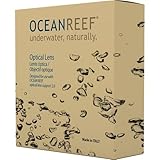
    View product B079DDNT3Y on AmazonAnother great thing about the Ocean Reef Aria are the Optical Inserts that are made specifically for the mask.  You can get these outfitted with your prescription (or close) and BOOM…you get to see everything as clear as day.

    Get Best Price and More Info!


    View product B01K3Q178O on Amazon

    Seaview 180

    The Seaview 180 is the only full face snorkel mask on the market that could probably compete with the Aria for the top spot. Wildhorn Outfitters, the maker of the Seaview 180, has really done a great job of putting out a quality product and then marketing it awesomely. It is also one of the only full face models on the market to make an innovation on the set Tribord model that isn’t better silicone sealing around the face. The feature that sets the Seaview apart is that it features a chambered breathing compartment. This chambered compartment sits over your mouth and nose similar to the way an oxygen mask fits on your face. It still allows you to breathe easily through your mouth and nose while snorkeling, but your exhale isn’t flowing through your entire mask. This actually has a number of benefits. First, because your exhale is confined to a smaller area, it gets pushed out faster, allowing you breathe faster while paddling faster without feeling like your air flow is constricted. It also prevents a common problem with full face masks, which is heat.

    Breathing into a non-chambered mask can cause the while mask to heat up on the interior, but by chambering it, it keeps your eyes and cheeks nice and cool. Another nice small detail that some other brands don’t offer is that it comes in five different colors: Navy Blue/Gray, Plum/Gray, White/Blue, White/Pink, White/Teal. This allows you to have some control in both your fashion choices and your visibility in the water. All of this is offered at a price just higher than the Tribord, but still really affordable compared to other models.

    Get Best Price and More Info!


    View product B01COHZ7X6 on Amazon

    Head Sea Vu

    The Sea Vu by Head (Mares) is one of their hottest new products. Mares has been a pretty reliable brand for snorkel products for a long time, so with the brand you get a certain guarantee of quality. One of the nicer options about the Sea Vu is that while it is the exact same price as the Aria above ($99), but Mares has also started packaging it in some of its snorkel kits, making it so for a bit more you get the full face snorkel mask as well as some great fins and a bag to pack it all in. That adds some potential for extra value, but it doesn’t really matter if the mask isn’t great, right? Luckily, it is actually pretty great as you would expect from Mares. The silicone skirt allows it to sit and seal comfortably on your face while the lens features the view that full face mask wearers have come to expect and remains fog-free.

    The dry top snorkel keeps the waves out and is easy to clear if you decide to dive under. The grey color leaves something to be desired, but it does feature an orange tip at the top of the tube so people at least have some chance of spotting you in the water. Really the only complaint is that you can’t find an accurate sizing chart for it, but really if you look at the sizing chart for other models, it runs the same sizes.

    Get Best Price and More Info!


    View product B01CPS2TX0 on Amazon

    Tribord

    Yeah, you better believe that the original full face snorkel mask is still one of the best. It was an innovation when it was introduced, and while others have improved upon the model, Tribord still ranks among the best for many. While it has the same dry snorkel, easy purge valve, and a good silicone seal providing you get the right size for your face, there are still two features that set Tribord apart from its competitors – the price and the warranty. While it depends on the size, XS surprisingly being the highest price, if you don’t have a super tiny face the Tribord is, at most $65. That is almost half of some of the newer models, yet it doesn’t sacrifice quality in doing so. It still features a competing tight seal, and while the tube doesn’t let water into your mask when diving, the Tribord can become a bit like a suction cup on your face when diving.

    That low price tag also comes with 2-year warranty to provide that extra layer of financial comfort if your mask does prove to be somehow defective or you chose the wrong size for your face. Financial benefits aside, the Tribord is also a great full face mask for children to use when snorkeling. The mask itself is particularly buoyant, which makes diving down a little more difficult, but it adds that extra layer of float for those who aren’t as good of swimmers. It also makes it more difficult to lose underwater, which is a special boon considering it only comes in a color we like to describe as “blend into the ocean” blue.

    Get Best Price and More Info!


    View product B0799FW4KL on Amazon

    Seabeast AF90

    The Seabeast hasn’t been on our radar since we’ve been seeking out the best full face snorkel masks, but we’re happy that we found it now. There’s not a better mask on the market that does better at keeping the fog off of the lens.

    Also, we love the fold and stow snorkel. With most other full face masks, the snorkel disconnects totally from the mask and you need to keep track of it and make sure it doesn’t get lost. With the Seabeast AF90, the snorkel unclicks and folds so that the snorkel always stays with the mask.

    The panoramic view is common on all of the full face masks and the snorkel is a full dry snorkel. The Seabeast AF90 also has a mounting bracket for a GoPro or another action camera of your choice.

    Get Best Price and More Info!


    View product B074T366KB on Amazon

    H2O Ninja

    Combining the knowledge accumulated during 50 years of mask evolution, the result was the H2O Ninja. With a a dry top snorkel, easy purge valve, and a quick drain safety valve if water does happen to get into the mask, the H20 Ninja has all the usual features of a full face snorkel mask, but at nearly double the price. That is the major downside of the Ninja. It is a great snorkel mask all around, but it doesn’t come with a magical unicorn or anything that justifies the price tag. Arguably, what you are paying for is customization. It comes in four different colors: Black, Blue, Teal, and Pink. You can also get a cheaper version of the mask that doesn’t come with the Go Pro camera mount, but even then that is still a pretty big $144 price tag. If it wasn’t for the price tag, the H2O Ninja would be a solid contender for the top of this top picks list. It markets itself as “fog-resistant,” which is more honest than some, but it never fogged up on us. The dry top could be longer, but worked well both above and under water and the face seal never leaked. Unfortunately, with cheaper and equally effective models out there, the H2O Ninja rounds out the bottom of our list. Read our FULL Review!

    Get Best Price and More Info!


    What to Know Before Buying a Full Face Snorkel Mask

    While our top picks are the absolute cream of the ever-growing crop of full face snorkel masks, no matter how good the product is, it will only preform as best it possibly can if you don’t consider a few select tidbits that can effect them.

    • –>Beware of Beards. All brands of full face snorkel masks don’t play well with manly, bushy beards. The sheer fluffiness of your beard prevents the mask from sealing properly on your skin, and it will result in leaks. At most, only two-day-old beards are recommended for use. Anything above will result in leakage.
    • –>Not for Freediving. While full face masks almost exclusively come with easy to purge valves, they are not recommended for freediving or spearfishing. Although modeled after the full face respirator masks that divers use, they don’t have a way to regulate pressure. This means they can get pretty uncomfortable in depths deeper than 10 feet, and you have no access to your nose, thus can’t pop your ears. If you are an avid free diver, traditional snorkel masks are still the way to go.
    • –>Size Matters. If you tried the full face models and found them annoyingly leaky, chances are you were not wearing the right size for your face. All models come with sizing charts that require you to look silly and measure your face, but it pays off with an optimum fit.
    • –>Glasses Not Welcome. Naturally you can’t install prescription lenses when the lens is covering your entire face. However, many believe that there might be enough room for their glasses inside. Sadly, there is not…but check out the Ocean Reef Aria optical inserts option above.
    • –>Not For Exercise. Full face snorkel masks are for casual snorkeling and short bursts of quick swimming at best. When breathing calmly, they work wonderfully, but if you are, for example, swimming laps in a pool, the excess need for oxygen can get restricted in the mask. It is also worth noting that the faster you are breathing, the hotter the mask will get. This is not a good choice for pool swimmers that want a mask they can use while exercising.

    Special Disclaimer:  Most of the issues that we see with full face snorkel masks and the problems that people have with these masks (sadly, even deaths) is because people are NOT using these snorkel masks for the reasons they were made in the first place.

    These mask’s full face make is constructed solely for surface swimming and looking down into the water below. They are not made for diving below the surface.

    If you don’t mind having the snorkel mouthpiece in your mouth and/or if you don’t have a moustache then we still recommend wearing and using a traditional mask and snorkel.

    Lastly, there has been a lot of concern lately about full face snorkel masks following a rash of snorkeling accidents involving these masks. We feel completely safe in these 6 masks and wrote an article detailing the concerns here.

  • 6 of the Best Snorkeling Spots in Puerto Rico

    6 of the Best Snorkeling Spots in Puerto Rico

    Due to its location in the Caribbean, Puerto Rico combines the rain forests of Central America with the beautiful beaches of the Caribbean, making it one jewel of a vacation destination. With its main island home to the culture-rich San Juan and the smaller islands of the archipelago home to pristine wilderness just waiting to be explored, Puerto Rico is a tropical paradise full of adventure.

    With tropical weather all year long and warm ocean waters that support a variety of coral and marine life, one of the most popular pastimes in Puerto Rico is snorkeling. Not only are avid snorkelers treated to a vibrant ocean during the day, but the bio-luminescent bays of Puerto Rico present a once-in-a-lifetime snorkeling chance during the night.

    Culebra

    snorkeling-puerto-rico-culebra

    Often referred to as the best snorkeling destination in Puerto Rico, Culebra is a small island off the coast of the main island. Although it is only home to a population of roughly 2,000 people, visitors come frequently for the multitude of small sandy beaches that dot the shoreline. As the island has very few island streams that flow into the ocean, visitors who snorkel around Culebra are privileged to optimum clarity in the water even on overcast days.

    As for where to snorkel on Culebra, while Flamenco Beach is easily the most popular beach, snorkelers often prefer the smaller, lesser known Tamarindo Beach. While Tamarindo Beach also lacks huge crowds, it is actually preferred due to the abundance of sea life that lives offshore in the sea grass, including sea turtles that come to graze.

    Caja de Muertos (Coffin Island)

    snorkeling-isla-del-muertos-puerto-rico

    This island, whose name comes from a pretty bittersweet love story, is an uninhabited nature reserve off the municipality of Ponce. Although out of the way, only accessible by boat or ferry, and lacking any freshwater, it is its remoteness that has lead to such great snorkeling on the island. As the island is protected, this has allowed the marine life to thrive. Caretakers for the island have even created an underwater snorkel trail that visitors can trace for some of the best sights.

    Do to the ample ferries from Ponce and the remoteness fostered by the nature reserve, Coffin Island is a convenient place for snorkelers to escape the crowds while not sacrificing the sights.

    Cayo Aurora (Gilligan’s Island)

    snorkeling-puerto-rico

    The popular snorkel spots in Puerto Rico are not always so kind to the young enthusiasts among us. With changing ocean conditions, sometimes they can be not quite so kind to even veteran snorkelers. However, for those snorkeling with kids, Cayo Aurora, otherwise known as Gilligan’s Island, provides a safe and beautiful place to learn the finer points of this sport.

    What makes Cayo Aurora so spectacular is that the ocean waters are as clear as your hotel’s pool and surrounded by lush mangroves to keep the ocean swells to a minimum. With depths of only around two feet, everyone can get up close and personal with tropical fish that are born and live here before setting off into the open ocean with adulthood.

    La Parguera

    adita

    Located on the southwest coast of the main island, La Parguera is a nature reserve made up of a series of mangrove islands, coral reefs, and salt marshes. Due to such a varied ecosystem, La Parguera supports an array of marine life, the likes of which snorkelers will see nowhere else in the world. The landscape attracts everything from dolphins, turtles, barracudas, and manatees as well as an abundance of tropical fish. However, due to the presence of such exciting marine life, this area gets crowded during the summer and is popular for snorkeling tours rather than just solo groups.

    However, La Parguera has another secret. It is also home to one of Puerto Rico’s three bioluminescent bays. During the summer, La Parguera fills up with marine plankton known as dinoflagellate that glow at night, giving the water a speckled, night’s sky appearance. What’s more is that this bay is the only one of the three bioluminescent bays that allows for night-time snorkeling and swimming.

    Steps Beach

    sand-foot-steps-beach-wallpapers-t

    Located outside of Rincon on the main island, snorkelers need to make sure they only go snorkeling here during the summer months. While Steps Beach is a great snorkel destination when the water is calmer, the beach is actually world famous for its huge swells during the winter. Unless you happen to also be a surfer, be sure to avoid getting in the water here during the winter months.

    That being said, when you can snorkel it, visitors are privileged to be able to view one of the largest Elk Horn coral gardens in the Caribbean, a reef that also supports sea turtles as well as schools of Blue Tang, Angelfish, and many more.

    Balneario El Escambron

    Balneario El Escambron-snorkeling

    If you only find yourself in Puerto Rico for a short while, you may not have the time to explore the archipelagos outermost reaches. However, even in the crowded city of San Juan, snorkelers can find a great snorkel spot. While the beautiful beach of Balnerario El Escambron is a popular swimming destination, if snorkelers trace the sand far too the left to the protected waters facing the Caribe Hilton, they will find a lot of marine life. This area prevents a lot of the sand stirrup that ruins clarity at swimming beaches, and attracts a lot of tropical fish. While other spots are better, this is a great place to visit if you are short on time in Puerto Rico, but still want to do some snorkeling in those beautiful tropical waters.

  • The 4 Best Coral-Safe Sunscreen Options

    The 4 Best Coral-Safe Sunscreen Options

    The Great Barrier Reef located off the coast of Australia is the most famous reef and underwater ecosystem in the world. As a habitat to thousands of marine species, naturally the Great Barrier Reef is also a popular location for snorkelers around the world. Unfortunately, this beautiful snorkeling hot spot is dying, or rather, bleaching. In a recent survey by Australia’s National Bleaching Task Force, they found that of the 911 reefs they studied within the Great Barrier Reef, bleaching affected 93 percent of them to a varying degree. While reef bleaching is caused by a variety of reasons including pollution, changes in salinity, disease, and warming ocean waters, one cause of the bleaching of reefs around the world could potentially be blamed on the sunscreen that swimmers, divers, and snorkelers come slathered in. How Does Sunscreen Hurt Reefs? It is currently believed that around 4,000 to 6,000 tons of sunscreen washes off visitors in reef environments every year. While that is a lot of sunscreen in general, it seems like even more when you consider that it only takes the equivalent of a drop in an Olympic-sized swimming pool for the water to become toxic to coral. Essentially, there are four common ingredients found in many sunscreens that are responsible for damage to coral in some form. These ingredients include:

    • Oxybenzone (Benxophenone-3, BP-3) – This ingredient can not only cause bleaching, but it disrupts coral reproduction and damages coral DNA.
    • Butylparaben
    • Octinoxate (Ethylhexyl methoxycinnamate)
    • 4-mehtylbenzylidene camphor (4MBC) – Banned in some countries, including the United States, but included in sunscreens in Europe and Canada.

    The easiest way to avoid poisoning your favorite snorkel spot with sunscreen is to snorkel without it all together. However, that, if nothing else, is a recipe for a nasty sunburn later. Even rash guards don’t cover every bit of skin that needs to be covered, and casual snorkelers may not want to invest in a serious wet suit. There is one final alternative: get a sunscreen that is biodegradable and certified coral-safe. Such things do exist, and often they are actually better than your typical sunscreen. The most important thing is that you remember to check the back of any sunscreen bottle for the presence of the Big Four chemicals mentioned above.

    Coral Safe All-Natural Biodegradable Sunscreen, SPF 30

    You can’t go wrong with a sunscreen whose brand name is “Coral Safe”. This sunscreen provides a broad spectrum sun block that features a 100 percent all-natural formula. It is marketed as non-allergenic and features no harsh chemicals, fragrances, or preservatives that would cause harm to the coral. Coral Safe uses the typical mixture of all-natural sunscreens that includes zinc oxide and titanium dioxide, but these ingredients are not water resistant. In order to make their sunscreen a good water resistant choice for snorkelers, they use beeswax, sunflower oil, and coconut oil in order to keep it on your skin where it belongs. Unfortunately, this strong water resistance also makes it go one more like a oily paste rather than a sunscreen that absorbs into skin. However, one of the major benefits of Coral Safe is that ounce-for-ounce, it remains one of the most affordable coral-safe sunscreen options.

    Tropical Sands All-Natural, SPF 50

    Tropical Sands provides the strongest SPF protection that is also coral-safe outside of the Reef Safe brand (which is actually very not reef-safe). With an SPF rating of 50, this is the sunscreen to bring for long snorkel trips in the Caribbean or other equator adjacent locations where the sun is at its strongest. Its stronger SPF rating is given to the formula by an increase of zinc oxide, the substance that life guards used to prevent extreme sunburn. Like other coral-safe sunscreens, this mix of zinc oxide and titanium dioxide is made water resistant by natural oils. Unlike the Coral Safe brand above, Tropical Sands uses less sunflower oil and more jojoba oil to provide water resistance. This allows for a formula that feels less greasy on the skin. However, the high amount of zinc oxide does leave a white film on the skin.

    Badger Unscented Sport Sunscreen, SPF 35

    The Badger brand is one of the most popular brands of coral-safe sunscreen, something that can be accredited to its simple five item long ingredient list. Not only that, but those ingredients are all natural and certified 94 percent organic making them not only safe for what is in the water, but your skin as well. Like the other sunscreens, Badge uses zinc oxide to prevent sunburn, and like all mineral sunscreens will cause a white residue to be present on your skin. However, the most unfortunate downside of the Badger brand is that it only has around 80 minutes of sweat and water resistance. This means that while snorkeling, you will need to return to shore or your boat to reapply. They also make their coral-safe sunscreen in stick form too for kids that are kind of wasteful with lotion.

    All Good Spot Sunscreen, SPF 33

    Much like the other options for coral-safe sunscreen, All Good uses a zinc oxide base that gives good sun protection to skin, albeit with a bit of a chalky white residue. However, what really sets All Good brand apart from the pack is that it uses different oils to give the sunscreen its water resistance. All Good lacks the coconut and sunflower oil for those who have an allergy to either ingredient, replacing them with olive oil, shea butter, and buriti fruit oil. This gives those with sensitive skin another option for reef-safe sunscreen that won’t irritate their skin.

  • Cressi Gara Pro Snorkel Set

    Cressi Gara Pro Snorkel Set

    For the serious snorkeler or free diver, it can be hard to find a set that is up to all of their specifications. However, many times the cause is not just because such things aren’t out there, but rather because they have been looking for equipment that is made more for the casual user. The Cressi Gara set combines the fins, the mask, and the snorkel from Cressi’s absolute top of the line products.

    Unlike other long fin sets that neglect to include a bag for the sake of having you buy more accessories, the Cressi Gara set features a free diving gear bag for easy transportation of the highlight of this snorkel set – the Gara Professional LD fins.

    As this set is such a premium high caliber, it is useful for more than just snorkeling. With the powerful long fins and Cressi’s new Corsica snorkel that is designed specifically to thrive in spear fishing and free diving conditions, this is a set that is flexible for all your ocean activities.

    Features of the Cressi Gara Professional SetView product B005SSK6VW on Amazon

    Cressi Focus Silicone Mask: The best mask in terms of versatility. This low-volume, twin-lens mask gives snorkelers the perfect combination of size, fit, and durability that allows for the best fit and performance over long periods of time. The mask also features lenses that are easy to change out with prescription lenses.

    Cressi Corsica Snorkel: As one of Cressi’s newer models of snorkel, the Corsica uses a blend of special polymers that allows it to bend without becoming warped. For those that want to use this for snorkeling, it doesn’t add much value, but for spear fishers and free divers, it allows the snorkel to bend against objects and then to spring right back into place.

    Cressi Gara Professional LD Fins: These fins are designed for high performance, and easily the best part of the set overall. Unlike its predecessor, the LD model provides a more flexible fin that feels more fluid in the water and gives a softer kick so that you don’t need to have the legs of an Olympic swimmer to get the best performance. The special elastomer polypropylene material makes these long blade fins ideal for covering long distances with less effort. Unfortunately, with its foot pocket, you need hit relatively close to the ball park in foot pocket size if you don’t want the fins to rub.

    Long Blade Fin Freediving Gear Bag: Short fin sets typically come with a gear bag, but not many long fins sets do. However, the gear bag isn’t anything too special. It is essentially just designed to hold your fins with a little space for the mask and snorkel. However, there are no outside pockets to hold any of your other gear.

    Final Analysis

    Due to its versatility, this is a great snorkel set for whatever you want to do in the water. It features some of Cressi’s top equipment and rounds it up in a neat little package. However, while the snorkel and mask have comparable alternatives within the Cressi brand and other brands, it is the wonderful long fins that really make it worth the buy.

    View product B00B8IX122 on Amazon
  • 10 Reef Creatures You DON’T Want to See up Close

    scary sea creatures

    There is nothing better than a quick loop in clear, warm tropical waters with a vibrant and busy reef below. While a number of the tropical fish and other marine life found in reefs around the world are harmless, there are a few creatures that you definitely want to keep your distance from while snorkeling in their domain. While every snorkeler knows better than to get too crazy in shark-infested water, sometimes the most dangerous sea creatures are the ones you would least expect.

    Lionfish

    lionfish

    In coral reefs, the lionfish is near the top of the food chain. They will eat anything to satisfy their food lust, but are rarely prey for anything else thanks to its great defense mechanism. Located along the frilly dorsal fins of the lionfish are venomous spikes that make this predator pretty hard to handle. The venom from these spikes is rarely fatal, but it causes extreme pain, sweating, nausea, and convulsions.

    While native to the Indo-Pacific region, its lack of natural predators has seen the lionfish become an invasive species to reefs after being introduced to the Caribbean and Atlantic.

    Irukandji Jellyfish

    jel-5

    Jellyfish are always cause for concern, and reported sightings of them in the water is a pretty good reason to cancel a snorkeling trip. However, some jellyfish you might not even see until it is too late. The irukandji is the smallest species of jellyfish, but its sting packs the most punch. The venom is so powerful that its effects have come to be known as Irukandji Syndrome, which features kidney pain, profuse sweating, vomiting, and psychological feelings like that of impending doom. Those who have endured the relatively mild sting often cite the symptoms that occur several hours later as the worst pain they have had in their life.

    While the irukandji are commonly found off the coasts of Australia, they have also been found in Malaysia, Japan, Florida, and as far north as Britain. If you see a beach with posted signs or hear an irukandji warning on the local news, it is best to stay on land.

    Blue-Ringed Octopus

    150623_WILD_Octopus.jpg.CROP.promo-mediumlarge

    The blue-ringed octopus, like other octopi, is often found in tidal pools, but they also make their home in shore reefs in the Indian and Pacific Oceans. Contrary to their small size and rather intriguing look, this octopus is actually one of the deadliest marine creatures in the sea. Their primary defense is a tiny bite from the beak underneath their tentacles. It leaves, at most, a slight laceration, but the venom it injects is enough to kill a human. The worse part? There is no antivenom for it.

    Thankfully, the blue-ringed octopus isn’t aggressive and often has a live and let live mentality. Just don’t get to close or try to mess with it.

    Indonesian Needlefish

    needlefish-tylosurus-crocodilus-820x547

    The Indonesian needlefish isn’t dangerous because of its painful venom or sharp teeth, it is dangerous because of its speed. These fish share prime real estate with snorkelers, sitting in the first few inches of water. Their sleek shape and needle-like nose allow them to rocket themselves out of the water and spear prey at speeds up to 37 miles per hour. With it growing up to three feet and traveling at such speeds, these fish have occasionally produced some horrific results.

    Typically their victims are just in the way of something the needlefish wants to eat, with the majority of accidents happening while night fishing. Needless to say, make sure to shoo any needlefish away in Indonesia while snorkeling in case they decide to let loose suddenly.

    Stonefish

    download

    If you frequently snorkel near the reefs off Australia and Southeast Asia, you might have paddled right past a number of stonefish without even realizing it. However, if you happen to find one with your feet or hands in the sand, you definitely won’t forget it.

    The stonefish, like its name suggests, hunts prey by blending in with its surroundings. Once settled in, it is near impossible to tell a stonefish apart from your average stone. While the stonefish doesn’t hunt humans, it does raise a number of spines from its dorsal fins when threatened. These spines also inject a series of neurotoxins that not only cause extreme pain, but temporary paralysis and then shock, which can be fatal without the antivenom.

    Sea Snakes

    OLYMPUS DIGITAL CAMERA
    OLYMPUS DIGITAL CAMERA

    Unlike the many harmless land snakes, all sea snakes have potent venom for defense and to catch their prey. However, they typically prefer not to waste it on any passing humans unless they feel very threatened by your proximity. Sea snakes are typically found near coastlines in warmer waters, making their habitat frequently overlap with many good snorkeling spots. While the two most venomous species of snakes are found off the coasts of Asia and Australia, if you keep a good distance from this often brightly-colored sea creature, it is a situation that works best for everyone.

    Cone Snails

    Geography cone shell {Conus geographus} with toxic proboscis extended, Red Sea.
    Geography cone shell {Conus geographus} with toxic proboscis extended, Red Sea.

    Throughout the reefs of the world, there are 800 different species of cone snails that make their home in the sand. However, while their beautiful textile-patterned shells are popular for jewelry-making, if you catch a cone snail alive, you will regret it.

    A cone snail catches its prey by skewering fish with an elongated barbed tooth. While some do not have venom, many do, particularly the larger species. For many venomous species, it can feel like a simple bee sting, but throughout the world 15 deaths have been attributed to grabbing a living cone snail.

    Striped Surgeonfish

    FMWKV0150_Acanthurus_lineatus

    The striped surgeonfish is one of the most beloved and attractive fish that populate the reefs in the Indo-Pacific region. However, while beautiful to look at, you don’t want the striped surgeonfish to get too close. The caudal spine along their tail is not just used for swimming, but for its defense as well. Lined with venomous spines, it is estimated the 50,000 divers and snorkelers are injured by them per year. Why typically not deadly, the venomous does cause incredible pain.

    Sea Anemone

    Sea_Anemone_3_600

    The sea anemone looks like a beautiful underwater flower, its petals wafting in the ocean currents, but they are actually living, predatory creatures. The sea anemone uses venom-laden tentacles to stab any tasty-looking fish that swim by for dinner with a paralyzing neurotoxin. You definitely don’t want your hand or foot to be mistaken as a tasty fish by getting too close, much like a sea urchin.

    Moray Eels

    moray-eel-pattern

    There are around 200 different species of moray eel that call reefs in tropical waters home, and while they look menacing, moray eels aren’t actually that threatening to humans. The real danger of a moray eel is when snorkelers try to feed them. With their tough-looking mug and lightning fast reflexes, watching a moray feed is often a thrill, but a dangerous one. These creatures are unbelievably fast with sharp teeth and surprisingly powerful jaws, and more than a few unlucky folks have lost fingers by feeding and underestimating this eel.

  • Promate Dry Snorkel and Purge Mask with Panoramic View Set Review

    Promate Dry Snorkel and Purge Mask with Panoramic View Set Review

    View product B002GWHHJC on AmazonWhen choosing a snorkel mask, serious snorkelers all typically have a similar set of criteria when picking one out. It is important that it fits snuggly on the face, doesn’t leak, and doesn’t fog up constantly. However, one of the most important functions of a snorkel mask is that you can actually see out of it. Obviously! The more you can see, the better. It is not like snorkelers are wearing them as a fashion statement.

    Most snorkel masks give you an excellent frontal view, but tend to block off anything that is happening on your side. This means that you are not only missing out on any interesting marine life or scenery, but you will constantly have to turn your head to check on your snorkel partner.

    So what about a snorkel mask that doesn’t have those thick blocking edges? Does it still work? Is it as comfortable? The Promate dry snorkel and purge mask with panoramic view set includes a Avanti TL Side-View Edgeless Purge Mask and a Cobra Dry Whistle Snorkel  that allows for an unparalleled views underwater.

    The Mask

    View product B0134T436K on Amazon View product B0134T436K on Amazon

    There are a number of multi-windowed masks on the market already, but typically while you can see out the front and the sides, there are massive gaps in between that obstruct your field of vision. While the Avanti features the same multi-window design, the construction of the mask allows for a panoramic view, removing the typical vision breaks in traditional windowed masks. Additionally, to provide the best underwater view, the channeled skirt of the mask allows for bubbles to be directed away from the field of view.

    As a purge mask, the Avanti used Promate’s patented purge system to allow for another channel to breathe air out and remove excess water from within. Unfortunately, the purge system and overall design of the mask makes the nose cavity very snug. While the mask is marketed for large to medium-sized faces, the nose cavity is much more suited for small to medium-sized noses.

    While the nose cavity can be snug, the swivel, adjustable buckle, and hypoallergenic silicone face skirt allows for optimum comfort for those who have the noses to fit comfortably in the mask. Leaks are uncommon in the mask once it has been properly adjusted.

    The Snorkel

    View product B0134T436K on Amazon

    The Cobra snorkel features a unique dry design that uses a newly patented upper valve to keep water from entering the snorkel combined with a splash guard to make sure you aren’t gagging on rancid salt water after a big swell. Yet, these new additions still allowing air to easily enter and exit the tube for unobstructed breathing.

    The Cobra also features built-in whistle housing and a quick slip-in snorkel keeper for added ease of use. The flexible silicone low section, pre-curved silicone mouthpiece, and silicon purge value allow for optimum comfort that prevents jaw fatigue and allows for easy draining.

    Both mask and snorkel come in matching colors in the set. These colors include clear, solid black, neon pink, titanium, neon yellow, transparent black, and blue.

  • When is the Best Time to Snorkel?

    When is the Best Time to Snorkel?

    sea-urchin-puncture-injury

    Snorkel tour operators are often asked a lot of questions by patrons that want to later set out into the sea themselves. Mostly it is basic questions like fishing for tips on how to keep the mask from fogging up or clearing water from their snorkel tube. Typically, it is the questions that all beginning snorkelers must ask someone at one point or another. However, even advanced snorkelers seek answers to one important question. When is the best time to snorkel?

    The answer is tricky and often location-dependant. The sea is a fickle mistress, as they say. She often changes her mind on what she wants to do and often does it very quickly. Snorkel guides spend hours waiting for or trying to predict the perfect conditions, and usually they don’t work out quite as planned.

    For all those solo snorkelers, it is near impossible to find perfect snorkeling conditions, but there are a few things you can judge to get the best visibility and the smoothest ocean waters.

    Time of Day

    If you have gone snorkeling in low light, you will find that the visibility is less than ideal without a good torch. In terms of visibility and light penetration of the water, the time of day you choose to go snorkeling is crucial. The more sun penetrating the water, the more colorful everything looks. However, in terms of water clarity during a snorkeling session from shore, it is best to go mid-afternoon. In most locations around the world, this lands somewhere after high slack tide where the tidal currents sit at zero. While slack water is wonderfully easy to swim in and features virtually no drifting, it can limit visibility because the sand and other particulates in the water are not swept away.

    By planning your snorkeling trip after the slack water, the currents are still kept low, but the water becomes much clearer and still features optimum sunlight to see deeper into the water.

    Water Movement

    This doesn’t just mean tides and currents underwater. Choppy water can mean a bad time for snorkelers as well. While a host of different conditions can cause water movements, one of the biggest factors is wind. A breezy day may feel excellent on shore, but the rough water makes for hard snorkeling. You will need to constantly fight drift, ultimately spending more energy than you want to, and the waves may get tall enough to make it near impossible to breathe effectively through your tube. Furthermore, the water movement on the surface often stirs up the sediment on the bottom of the snorkel site.

    The lesson is, don’t try to snorkel when the water is too rough. It is an exercise in futility.

    Algae Blooms

    If it not just freshwater enthusiasts that have to worry about algae blooms in the summer, it happens in the ocean too. If there is an algae bloom at your intended snorkel site, it is most likely closed for snorkeling. Even if it isn’t, you definitely don’t want to go in. Algae has a nasty habit of sticking to everything that it touches. Your rash guard, your mask, your hair, ect. It is not the most pleasant thing to be covered with and some algae actually cause rashes in people and animals who find their skin exposed to it.

    Yet, the potential for slimy, itchy skin is not even the number one reason to skip an algae-infested snorkel site. The snorkeling sucks in those places! Algae blooms will block out the sunlight in underwater, effectively making it so you can’t even see down there.

    The good news is that algae blooms typically don’t last long, some can even be swept away by the ocean currents.

    Time of Year

    If you are planning that next snorkel trip abroad, it is best to take the time of year in the area into account. Both summer and winter seasons each have their benefits. In the winter, you will find colder waters, but your will also have the best visibility. In the summer you will have warmer water, but the visibility is often a little more obscured by the more active undersea life stirring up the sediment.

    It is also important when looking to snorkel abroad to check if you are heading there during their rainy season, if they have one. During the storm season, conditions in the water will likely be murky and the water will be rough.

    Sea Swells

    Like with checking the tides before you head out, it is best to try and catch a surf forecast. While big sea swells are great for surfers, they are terrible for snorkelers. Anything that is less than four feet is normal. They are not great, but they are manageable. The ideal swells for snorkelers around one to two feet. This almost guarantees pleasantly smooth water. However, anything over five feet guarantees a rough time with more sediment being stirred up underwater.

    Unfortunately, even if your surf forecast predicts small swells, they can change out of nowhere due to storms that occur thousands of miles away. So if the seas suddenly take a turn towards the rough side, best change out that snorkel mask for a boogie board and try to salvage the day.

  • First Annaual Snorkel Store Scholarship Finalists and WINNER!

    First Annaual Snorkel Store Scholarship Finalists and WINNER!

    marine-biology-scholarship-snorkel-store

    First off, I’d like to apologize.  We were running a little late with the Snorkel Scholarship results.  We got a lot of great applications from a lot of extraordinary people.  The reason we were behind is that we were getting applications up until the very last minute.  We wanted to make sure that we gave each and every applicant their due process.  This meant that after applications that came later, we then had to go back and compare and gauge each and every application to all of the others.  Again.  LOL.  We loved it, though, and enjoyed each and every application.

    For what it’s worth, we plan on doing this every year.  Next year we’ll definitely add another category so that we can hand out 2 scholarships;  1 to a high school senior and one to a post grad.

    Some stats:

    • 100 total applications
    • 38 high school seniors
    • 62 post grads
    • We preferred those with complete and accurate applications.
    • We preferred those essay with a personal touch as well as passion.
    • We preferred essays that followed the directions in the scholarship page and talked less about the applicant and more about the content we requested.

    Without Further Adieu…

    The 3 finalists were Casey, Haley and Zachary.

    Because some people sent their essays in as PDF, we’re unable to post the essays on the site so we’re just going to NOT publish any of the essays.

    The Winner of the 1st Annual Snorkel Scholarship is Casey H from California.

    Casey had a great resume, a great essay and a great letter of recommendation!

    Congrats, Casey and we’ll be in touch in the next 24hrs!


  • Cressi Agua Short Fin Review

    Cressi Agua Short Fin Review

    For snorkelers, picking the right fins for their trip is just as important as picking a quality mask. However, snorkel fins come in so many different styles, do they really make a difference? Of course they do! Classic long fins provide unparalleled power in the water, but short fins like the Cressi Agua come with their own unique advantages.

    Features of the Cressi Agua Short Fins:View product B00WTSJR2S on Amazon

    Short blade fins often have the advantage of being able to walk on land, allowing you to keep some dignity rather than making you look silly flopping your way towards the water. However, we don’t buy snorkel fins for their performance on land. The Cressi Agua feature shorter, wider fins than traditional models which still give them a certain amount of power in the water, but not as much thrust as traditional long fins. Essentially, the short fins require more power from the legs in order to get the optimum thrust of long fins. However, because the leg power required for the same speed will mean you will tire out faster, snorkelers using short fins like the Cressi Agua should be prepared for a slower trip around the reef unless they are exploring an area with very little current.

    Benefits

    The major benefit of short fins like the Agua is that they are easier to pack, taking up only a fraction of the space in your snorkel bag or suitcase, making them ideal for traveling. Yet they also have their advantages in the water. For those visiting shallow snorkel sites where you have to be extra careful not to disturb the coral, the Cressi Agua is ideal. Long fins require very careful strokes so that their sheer length doesn’t bump the coral which can cause damage or, at very least, will scare away the marine life. With short fins, it makes shallow reefs easily traversed providing you do not take particularly wide leg strokes.

    View product B00WTSJH2S on Amazon

    Cons

    One disadvantage that the Cressi Agua has compared to other short fins is that the foot pocket, while somewhat stretchy, is not one size fits all. It comes in a variety of men’s and women’s sizes, but those with very large feet will not find the Agua in their size. Yet, the advantage of the Agua’s shoe-like foot pocket is that it clings excellently to the foot and does not rub against the skin like other fins may. This reduces the need for fin socks to prevent rubbing and blisters. Unfortunately, if you get the Cressi Agua too large, they may not cling to the skin properly and blisters may become a possiblity.

    Final Analysis:

    For those who enjoy style with their snorkel gear, you are out of luck with the Cressi Agua. They only come in the blue and black style seen in the picture.

    View product B00WTSJR2S on Amazon


  • Top 5 Snorkel Spots to Explore While in St. Lucia

    Top 5 Snorkel Spots to Explore While in St. Lucia

    On land, St. Lucia is known for its dense rain forest split by the imposing Pitons and accented by some of the most luxurious resorts in the world. However, like any island in the Caribbean, some of St. Lucia’s most precious sights lie off-shore in the clear, azure-tinted water. While the snorkeling scene doesn’t enjoy the same attention as those in the Bahamas or the Grand Cayman, St. Lucia is home to a wide variety of wondrous locales that are accessible for all snorkeling skill levels.

    Why St. Lucia?

    There are thousands of great snorkel spots throughout the Caribbean, but why snorkel on St. Lucia? Despite the island’s reputation for safety and luxury, most travelers still pick the Bahamas or Jamaica, both great snorkeling destinations, but are both very crowded locations too.

    Aside from thinner crowds, the water temperature around the island never drops below the upper 70s, making for a refreshing, if not warm, experience. With visibility ranging from 15 to 150 feet, it is a fantastic place to see what lurks below the surface. Snorkelers should, however, expect waters to be murkier at snorkel locations closer to the beaches.

    gallery-a36

    What You Will See

    The coral reefs off of St. Lucia are teeming with life that comes to flint in an out of the colorful seascape made up of sea fans, finger coral, barrel sponges, and lace orals. At many of the snorkel sites, visitors will have the pleasure of spotting seahorses, angel fish, triggerfish, great barracuda, flying gurnard, trumpet fish, parrot fish, scorpion fish, jacks, puffers, grouper, snapper, golden spotted eels, Moray eels, eagle rays, stingrays.

    For those who visit some of the deeper snorkel sites, they may also get a chance to spot lobster and the docile nurse sharks that typically enjoy deeper, cooler waters.

    Finally, for those looking to snorkel from March through August, the waters off St. Lucia become a hotspot for leatherback sea turtles, the largest sea turtle in the world. Weighting up to 2,000 pounds, snorkeling besides a leatherback is like snorkeling with a small elephant.

    Anse Chastanet Beach

    Located just of St. Lucia’s dive center, Anse Chastanet has become the island’s defacto most popular snorkel spot. However, it is not just the steady influx of learners that makes the area so beloved, it is the shallow water reef located just off-shore. Protected by buoys to prevent boats from disturbing the marine life, this marine preserve has earned the nickname “Fairy World” for its vibrant coral reef that is accented by a number of bright fish. Due to the shallow depth of the reef, the Anse Chastanet reef has become a hotspot in the Caribbean for underwater photography.

    Anse de Pitons

    For the veteran snorkeler that wants the fabulous sights of Anse Chastanet, but with only a fraction of the crowds, the Anse de Pitons is the place to go for scenery that stuns both above and below the water. Located at the base of the two natural mountains that make up the Pitons, the crescent-shaped crater underwater is home to a wide variety of St. Lucia’s native marine life like trumpet fish, parrot fish, moray eels, eagle rays, and scorpion fish. As the dive site is located at the base of the Petit Piton, this snorkel site is particularly deep.

    Reduit Beach

    Reduit Beach is the type of place that a group would go when half want to go snorkeling, and the other half want to soak up some sun on the beach. While there are a few small reefs just off the sand, Reduit Beach comes with a few drawbacks. As the area is close to a marina, it gets a fair bit of boat traffic, so going out into deeper water is risky. Jellyfish are also common by the deeper reefs. Staying closer to shore is safer, but being a popular beach for swimmers and families, snorkelers should expect limited visibility.

    Virgin Cove

    While it does not feature the abundance of marine life or the sheer popularity of St. Lucia snorkeling hotspots Anse Chastanet or Anse de Pitons, Virgin Cove offers its own unique benefits. The protected and practically untouched Virgin Cove offers 15-foot deep water with clear visibility all the way down. While it lacks a fully developed reef, it does offer a great view of diverse ocean life without much of a challenge, making it perfect for novice-level snorkelers.

    Anse Cochon

    Want go where the locals go when they want a day out snorkeling? Anse Cochon is one of those lesser-known sort of locations that might be mentioned in guide books, but certainly isn’t highlighted. The tourists don’t really travel there, but the snorkeling is still great. Some locals would even argue that this is the best snorkeling spot on the island. While the area is by no means small, the water is so densely populated with marine life that is seems much smaller than it is when viewed from underwater. A number of the fish that live around the island enjoy this area for its patch coral and the number of scattered boulders, particularly squid and octopus that like to skitter along the bottom in and out of view.

  • How to Snorkel Safe in Heavily Trafficked Waters

    How to Snorkel Safe in Heavily Trafficked Waters

    snorkelers-boats-safety

    In June 2014, two snorkel buddies were out enjoying the underwater sights in Jupiter Inlet, Florida, but tragedy struck when both were struck upon surfacing by a passing speedboat. The 26-year-old man died while the woman later recovered from a broken pelvis.

    This is the tale that led to a string of snorkeling and scuba safety reform laws in Florida, but stories like it can be heard in popular snorkel areas around the world. Yet, the snorkel and boating safety reform does not always follow.

    Snorkelers and boaters each have equal rights to the water, but both have to learn to use it safety with each other. While many of the world’s best snorkel areas are the best because there is very little to no boat traffic to disturb the marine life, not all sites can be so lucky.

    Unlike Florida, many other countries don’t have any safety laws for boaters and snorkelers, so it is up to the snorkeler to try to make their time underwater as safe as possible and hope boaters know the signs.

    Follow the Golden Rule – Never Snorkel Alone

    The number one safety tip for snorkelers is to never forget the golden rule: go with a buddy. While snorkeling with a buddy not only keeps you safe in an unpredictable ocean and provides someone to help you in case of emergency, they are essential in high traffic waters. Your buddy not only looks out for you, but they look out for boats as well.

    Naturally, the polite thing to do is to take turns keeping watch for boats so that you can both have a good, safe time.

    Diver Flags

    dive-flags

    They’re not just for scuba divers anymore. Snorkelers and even casual swimmers can benefit from diver flags in high traffic areas. The red flag with a diagonal white strip is a near universal sign among boaters that a diver is underwater and they should reduce speed, giving the flag a wide berth. However, in countries where boat safety is not as prevalent, the signal may not be recognized by all who pass by your snorkel site.

    If snorkeling from a boat, your diver down flag should be displayed prominently above the water from your vessel. However, if you start snorkeling from the shore, it is best to combine your diver down flag with a buoy. This not only tells boaters that you are down there, but the buoy attached to your person tells them whereabouts in the water you are. The buoy should also detach easily, just in case a boat does pass overhead and it gets caught up in a propeller.

    What to Do When a Boat Gets Too Close

    You can take every single safety measure when it comes to snorkeling around popular boating areas, but ultimately the other party needs to know how to read the signs as well. Sometimes you will meet leisure boaters that have no idea what a diver down flag means, or even worse, ones that roll on up looking to investigate your buoy. So what do you do when a boat is getting too close to your snorkel spot.

    Above the Surface: Wave at them. This may seem strange, like you are asking them to stop and help you, but at very least you are making sure that they see you there. Worse case, they will stop and ask you if you need help. It is better than getting knocked on the head by a big lump of fibreglass or caught up in a propeller.

    Underwater: Dive deeper. If, by some stroke of luck you spotted the boat coming towards you and can’t make it to the surface in time, go as deep as you can. Hopefully it will pass you by without an incident.

    Stay Safe

    Luckily, in many countries, the snorkel areas are well known. Some even features roped off areas to protect the marine life and the people who come to see them. If you are paying a visit to a popular snorkel area, it is unlikely you that you will find many boats. However, for the real veteran snorkelers that like to explore the shore line, be sure to make use of these snorkel safety tips even if you are unsure of the amount of boat traffic the areas gets.

  • Top 5 Snorkeling Rash Guards with Sun Protection for Women

    Top 5 Snorkeling Rash Guards with Sun Protection for Women

    rashguards-women-spf

    For the novice snorkeler than has made the mistake of heading out for a day on the water without sunscreen, they will find out the hard way that sun, skin, and water don’t mix. However, even the most waterproof sunscreen doesn’t stand a chance when you are snorkeling, especially when you don’t want to stop the fun to reapply it constantly. Skip the sunscreen and instead make an investment in rash guards to protect your bare skin while in the water.

    Not only do rash guards protect your skin from the sun and look good doing it, they also serve to help protect from minor cuts and scrapes from bumping into coral that you just don’t get with your average bikini top.


    View product B00GD3B76O on AmazonO’Neill Women’s Short-Sleeve (SPF 50+)

    Made from a mix of 89% polyester and 11% elastane, the O’Neill’s long-sleeved rash guard is meant to fit skin tight over a bathing suit. Due to this, the sizes tend to run a bit on the small side, particularly if you have a larger than average bust size or broad shoulders. While the polyester and elastane mix does not stretch as much as they typical nylon and spandex mix, is does provide a more durable material, able to stand up to daily saline exposure.

    With a SPF rating of 50+, the O’Neill’s rash guard provides some of the strongest sun and ultraviolet light protection on the market, blocking out even the strongest rays from areas around the equator.


    View product B00GD26490 on AmazonO’Neill Women’s Long-Sleeve (SPF 50+)

    This rash guard is just like the above model, the only difference being the sleeve length. So are long-sleeved rash guards better than short-sleeved rash guards? Ultimately, it is all up to preference. However, because women’s rash guards tend to come with very short sleeves, which are great for when worn under wetsuits, but this leaves the back of your arms open to the sun when snorkeling. As the O’Neill rash guards are not as stretchy as other models, they tend not to tug or ride up as much, making the long-sleeved model a good choice for long hours in the water for the best sun protection. Find out more on Amazon.


    View product B005V07DRC on AmazonAqua Design Women’s Short-Sleeve, Loose-Fit (SPF 50+)

    Made by women for women, Aqua Design created their product to be both comfortable and figure-flattering. The Aqua Design gives enough room for the rash guard to sit comfortably over clothing as well as not being tight enough to constantly cling to your skin, making it a practical choice both on the beach and in the water. However, it does tend to run two sizes too small, but the company offers great customer service in order to easily make the swap.

    Made with 85% micro twist polyester and 15% spandex, the loose-fitting fabric also has the unique stretchiness of a skin tight rash guard as well as quick-drying, machine-washable fabric. This, combined with the powerful SPF 50+ sun and UV protection, makes Aqua Design the best rash guard option for loose-fitting rash guards.


    View product B00A1W49RC on AmazonCressi Lycra Long-Sleeve (SPF 50+)

    Cressi is a brand that inspires confidence in snorkel gear, and it’s women’s long-sleeve lycra rash guard lives up to the reputation. The sturdy material made from 80% nylon and 20% spandex and flatlock stitching provides a design that is form-fitting, comfortable, and protects against the sun with an SPF 50+ rating. Unlike other designs, the Cressi also includes a turtleneck for extra protection for the neck while in the water. With the nylon and spandex providing a durable fabric that stretches, Cressi provides one of the best fits on the market, but those with larger busts or bellies may need to order a size up.


    View product B00B7GJQ9W on AmazonXcel Women’s Heathered Ventx Long Sleeve (SPF 30+)

    Like the Aqua Design, the Xcel’s Ventx Long-Sleeve is the most practical rash guard. Their Ventx design is as good for snorkeling as it for wearing when going for a jog, providing comfort and sun protection in its eye-pleasing heathered design. With sturdy lyrca flatlock stitching and a breezy design, this is a rash guard with many uses. On land it catches the wind and wicks off moisture while underwater it clings to the body and is fast drying for when you are ready to get out of the water. Check out the reviews for this great rash guard on Amazon.


    Bestseller Rash Guards for Women SPF
  • Zodiac Tour with Dolphins and Sea Caves PLUS Snorkeling on Kauai

    Zodiac Tour with Dolphins and Sea Caves PLUS Snorkeling on Kauai

    The beautiful Na Pali Coast from zodia

    Lizzy and I went snorkeling on Kauai (it ended up being a lot of fun but not great snorkeling) for six days this month.  Believe me, we are aware of how lucky we are to be in a position to Hawaiian Island hop whenever we feel like we want to.  This time was different, though.  We usually stay with friends or try to keep the trip as inexpensive as possible, focusing mainly on sightseeing and adventuring.  This time, though, we splurged a little bit.  We spent the 6 days at the Kauai Marriott and it had everything that we wanted; a huge pool to laze by with fountains, cocktails, and hot tubs, as well as a beautiful garden property, a beach just steps away, and good dining at Duke’s, Cafe Portofino, and a sushi restaurant.  I definitely recommend the Marriott if you’re going to Kauai.  Actually, we like it so much that we bought into the Marriott Vacation Club while we were there.  YAY!

    While we were on Kauai we booked a few trips, SNUBA (which is coming in a different post here on The Snorkel Store), zip lining, the Na Pali Coast Zodiac Tour (the eventual subject of this post) as well as deep sea fishing where we caught 5 yellow fin tuna (ahi) and 5 skip jack tuna between the two of us.  It was a great time.

    On to the Napali Coast Zodiac Tour with Snorkeling

    I really, really wanted to snorkel on Kauai while we were there, unfortunately the snorkeling was not the highlight of this tour…but I’m still really glad that Lizzy and I did it.

    We chose to go with Captain Andy’s rafting expedition due to being a little more adventurous than wanting a lazy catamaran tour.  Believe me, it was adventurous.  You had to really hold on as you sat on the side of zodiac so that you wouldn’t thrown overboard!  They taught everyone how to secure themselves, though.  It’s a wild ride.

    Here’s the description from the Napali.com website:

    “An incredible 5½ to 6 hour expedition to Kauai’s Na Pali Coast. We’ll leave the modern world behind-darting in and out of sea caves, plunging under cascading waterfalls, and encountering the dramatic peaks and majestic valleys of the Na Pali Coast.

    When conditions allow, we’ll land on a remote beach – Nualolo Kai – for hiking, snorkeling, and a delicious lunch. Take a guided historical hike to the ruins of an 800 year old Hawaiian fishing village. Explore the same thriving reef ecosystem that supported ancient Hawaiians.

    Due to ocean conditions from October through April, the beach landing is conditional based on current ocean activity. We have discounted this tour based on these facts. Please contact us for additional information.

    Includes: Expert snorkeling instruction, Lunch, Beverages, Remote beach landing, Whale watching (in season)

    Departs: From Kekaha daily”

    It had all of it, peeps!  The most exciting part for Lizzy and I were the dolphins…so many dolphins.  Three separate pods…and at least one baby dolphin that was jumping that couldn’t have been any larger than 3 footballs.  Below are some of the images from our incredible day at Capt. Andy’s.  (Again, highly recommended.)

    I’ve added additional information where appropriate.

    Dolphin_tour_Napali_Kauai-snorkeling-on-kauai
    Dolphins swimming along with the zodia.
    Napali_Coast_Dolphin_snorkel-tours
    Chilling with dolphins off the Na Pali Coast
    dolphins-napali-coast-zodiac-tour
    Pretty clear photo of a dolphin along side the zodiac.
    NaPali Coast
    A shot of the NaPali Coast from the Zodiac with my GoPro
    sea-cave-napali
    One of the sea caves that we went in. There were sea birds everywhere and while they were cool to see, you just didn’t want to look up with your mouth open and without sunglasses. 😉
    sea-cave-napali
    You can see how dark it was in the cave as you can just barely make out the bow of the zodiac.
    sea-cave-napali
    One of the caves we went into had an open “roof” with coral in the middle and beautiful blue water. Kayakers were resting in the cove when we arrived. (This image and the next are the same cave.
    Napali-Sea-cave-kayakers
    Look at that water!

    Snorkeling on Kauai and Beach Landing at Nualolo Kai

    This was a gorgeous beach with sheer cliff faces of the NaPali right in front of us.  We did some snorkeling, had a great lunch, went on a nature hike and learned about the area as well as how to open a coconut and that noni fruit are NOT GOOD but GOOD FOR YOU.  We even saw some monk seals on the beach.

    Now, look, the snorkeling wasn’t great.  We were kept in a very small area and not really allowed to explore.  The clearer waters are the ones that we weren’t allowed to go to.  However, this isn’ the tour’s fault.  They need a special permit to even land at the beach from the Na Pali Ohana, an organization of descendants of the original settlers of the area and they were more than just a little paranoid about losing that permit.  The people have a great connection and legitimate claim to the land.  I’m all about taking care of Hawaii and stopping anymore building but I would have loved to have been able to snorkel and explore a little bit more of this awesome beach and coast. In the end I was disappointed with snorkeling on Kauai (even the SNUBA tour we took), but I would do this tour again in an instant.  But it was a great tour, nonetheless.

    Nualolo Kai
    The beautiful, secluded beach at Nualolo Kai. Special permits are needed to land and take tours. Absolutely gorgeous, though.
    Monk-seals-Nualolo-Kai
    Monk seals resting up at Nualolo Kai at the end of our “hike”.
    Convict-tang-snorkeling-on-kauai
    Unfortunately, this is the best photo I got while snorkeling on Kauai during this tour. A school of convict tang before I was called back to the group. LOL
  • Bump Up Your Underwater Photography Game with Awesome Color

    Bump Up Your Underwater Photography Game with Awesome Color

    where-to-buy-snorkel-gear-for-vacation
    “Hi. I’m Tom the Turtle. I’ll be eating here.”

    Let’s get you taking some great underwater photos with the vibrant color that you’d expect!  Remember, you don’t have to be a professional photographer or even a serious hobbyist to take a great underwater photo.  It’s okay that some of your photos come out like crap. It’s part of the fun and the learning process, actually.

    Here’s some ways to make your underwater photos come with blazing color:

    *Make sure the camera is on forced flash..that is, the flash goes off on every shot and not on auto flash which is when the camera will only flash when it says that it’s dark enough. Flash is your friend.

    *Get as close as you safely can to the subject to take the photo.  Red light is filtered out by water and the more water that is in between your camera and your subject makes it even worse.

    *Always shoot in manual mode  and stay away from auto.

    *If you’re close to the surface, sure, you can get decent color but the deeper you go (even as shallow as 3 feet) then the water starts to bend the light and the ambient light gets dimmer and the colors start to fade.

    Using a Flash479408902_od7yf-s

    *Try to keep your subject about a foot away as long as it’s safe to do so.

    *If it’s already pretty bright try not to use the flash because the shutter will engage and your light will get muddled.

    *Shoot in manual mode.

    *Expose with care and with skill.  Some colors will get blown out when exposed improperly.  If you’re just using digital images then there are ways to fix with editing software as well.

    Using Natural Light

    For the most part on snorkeling vacations, we’ll be taking underwater photographs as hobbyists…amateurs.  Using natural light or a simple built-in flash is what the majority of us will working with.  So, here’s some tips for using your underwater camera with just the natural light you’ll have available.

    *Manually use the white balance on your camera or just shoot the photos and edit in your photo editing software.  Again, this is if you want perfect underwater photos.  If you’re happy with what you have then there’s no need to obsess.

    *The sunnier the day and the calmer the water then the brighter and clearer your photos will be.  There is “good” snorkeling water and there is “bad” snorkeling water.  You’ll know the difference when you see it!

    *Always, always shoot with the sun behind you and use its natural light to brighten every thing you photograph.

    *If you can get a good red lens filter for your camera then go ahead and get one.  This will help bock out some of the blue spectrum and make your photos look more natural in color.

    qf9a1181-s